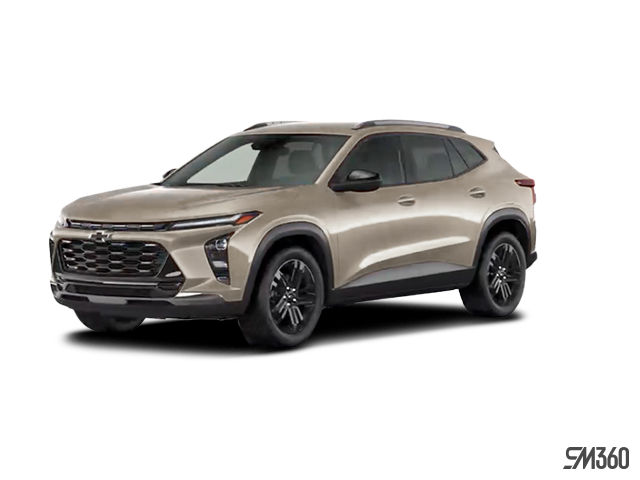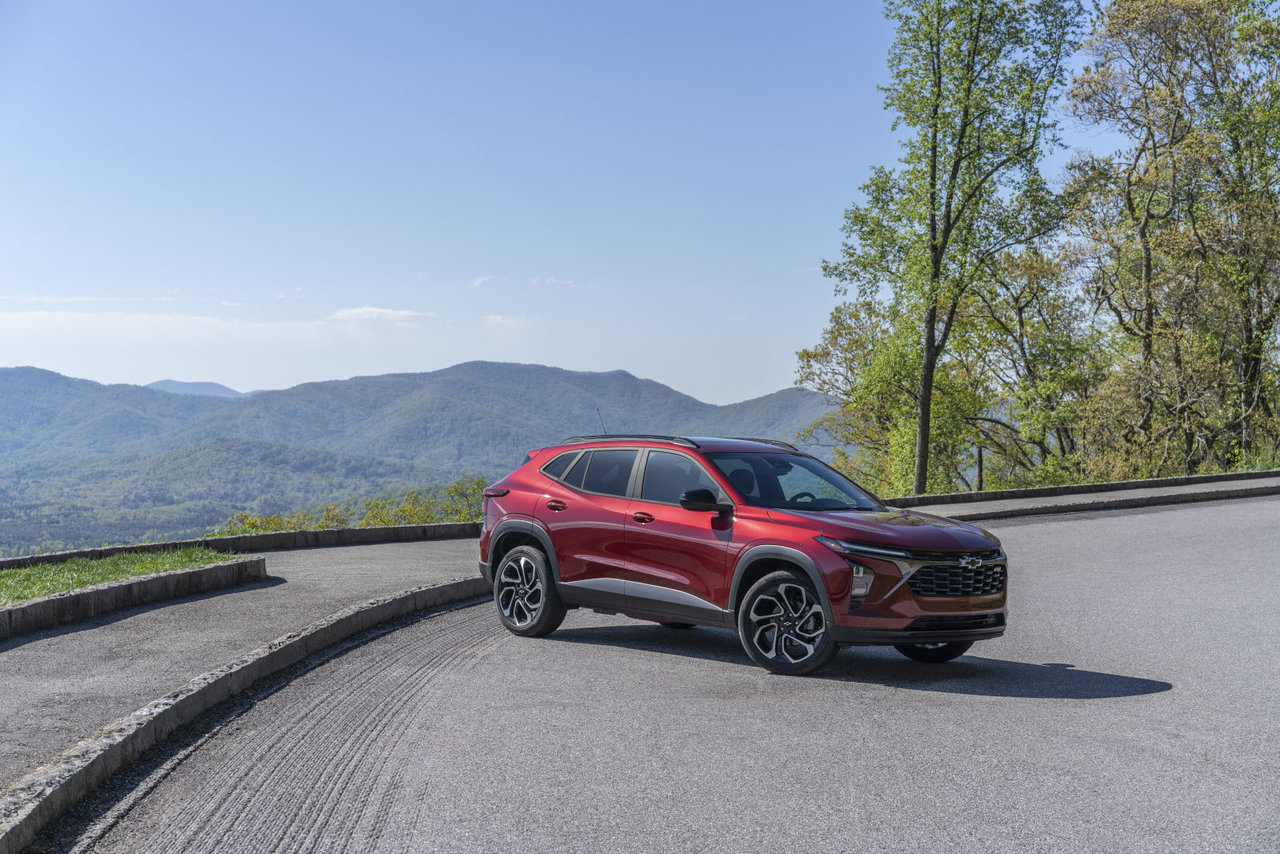
A fuel economy number on a spec sheet doesn’t tell you much until you connect it to your own week: the drive to the office, the grocery run, the weekend trip to visit family outside the city. The 2026 Chevrolet Trax carries a combined rating of 8.1 L/100 km, and understanding what that figure actually captures helps you judge whether it fits how you drive around Quebec.
What the Combined Rating Actually Is
The 8.1 L/100 km combined figure isn’t a separate test result. It’s a blended estimate built from the Trax’s 8.5 L/100 km city rating and 7.6 L/100 km highway rating, weighted to reflect a realistic mix of both. Think of it as a real-world average rather than a best-case or worst-case number.
This matters because most Quebec drivers aren’t doing pure city driving or pure highway driving every day. A typical week blends stop-and-go streets, suburban arterials, and stretches of autoroute, so the combined number is usually the more honest reference point than either city or highway alone.
|
Driving Type |
Fuel Economy |
|
City |
8.5 L/100 km |
|
Highway |
7.6 L/100 km |
|
Combined |
8.1 L/100 km |
How the Trax’s Powertrain Shapes That Number
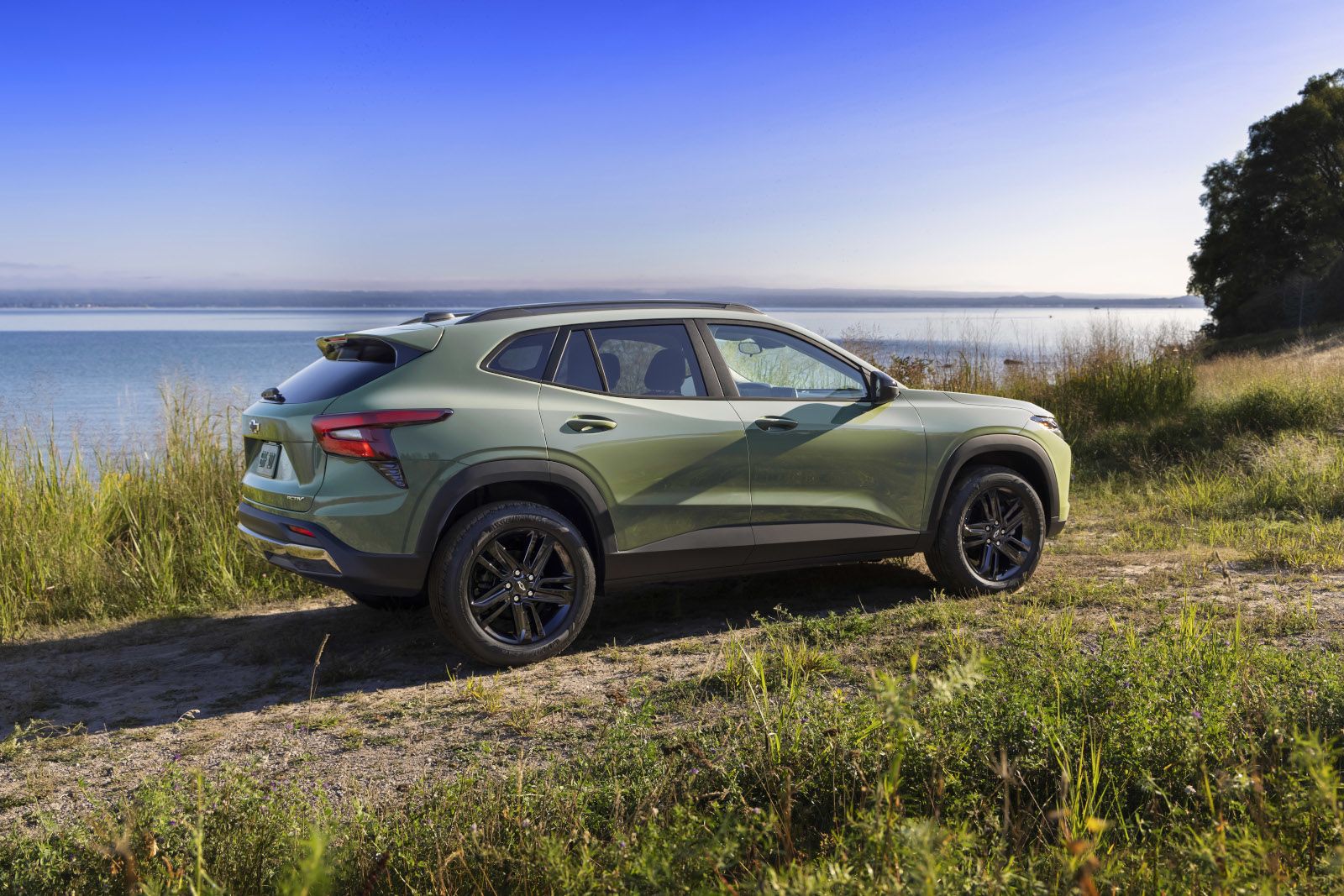
Every 2026 Trax, across the lineup, runs the same setup: a 1.2 L turbocharged three-cylinder engine making 137 hp and 162 lb-ft of torque, paired with a 6-speed automatic transmission and front-wheel drive. There’s no engine choice to weigh here, no trim that trades power for economy. It’s one unified powertrain doing the same job in every configuration.
A small-displacement turbo three-cylinder is inherently efficient at low and moderate loads, which is exactly what most commuting looks like. Front-wheel drive also avoids the extra driveline losses that come with sending power to a second axle, and the Trax’s automatic stop/start feature shuts the engine off at idle stops rather than letting it burn fuel while parked at a red light.
The Trax’s dimensions play into this too. At 4,536 mm long and 1,417 kg curb weight, it’s a compact, light small SUV, the kind of footprint that doesn’t demand much from a 1.2 L engine to move efficiently through traffic.
Why This Matters in Real Quebec Driving
The combined figure is a planning tool, not a guarantee. Your actual number will drift depending on how you drive. Stop-and-go traffic on congested city streets pushes consumption toward the 8.5 L/100 km city figure, while longer, steadier highway stretches pull it toward 7.6 L/100 km.
Weather plays a role too. Cold starts, longer warm-up periods, and winter idling, whether for defrosting or comfort, all add to fuel use in ways the rating doesn’t fully capture. A commuter who splits time between downtown, the suburbs, and highway on-ramps will likely land close to the 8.1 L/100 km combined figure across a typical month, with individual days swinging in both directions.
If your weekly routine looks like errands close to home, a suburban commute, and occasional longer drives, the combined rating is a fair benchmark for what to expect at the pump. If your driving skews heavily to one extreme, stick to that side of the range as your real expectation.
Who This Efficiency Profile Fits Best
The Trax’s fuel economy story lines up with a specific kind of ownership: daily drivers, first-time buyers, and smaller households who need a vehicle that handles errands, commuting, and the occasional road trip without demanding much thought about fuel stops.
Its small-SUV footprint keeps efficiency in check while still offering 725 L of cargo space behind the rear seats, expanding to 1,532 L with the 60/40 split rear seat folded. That’s enough flexibility for groceries, luggage, or gear without stepping up to a larger, thirstier vehicle.
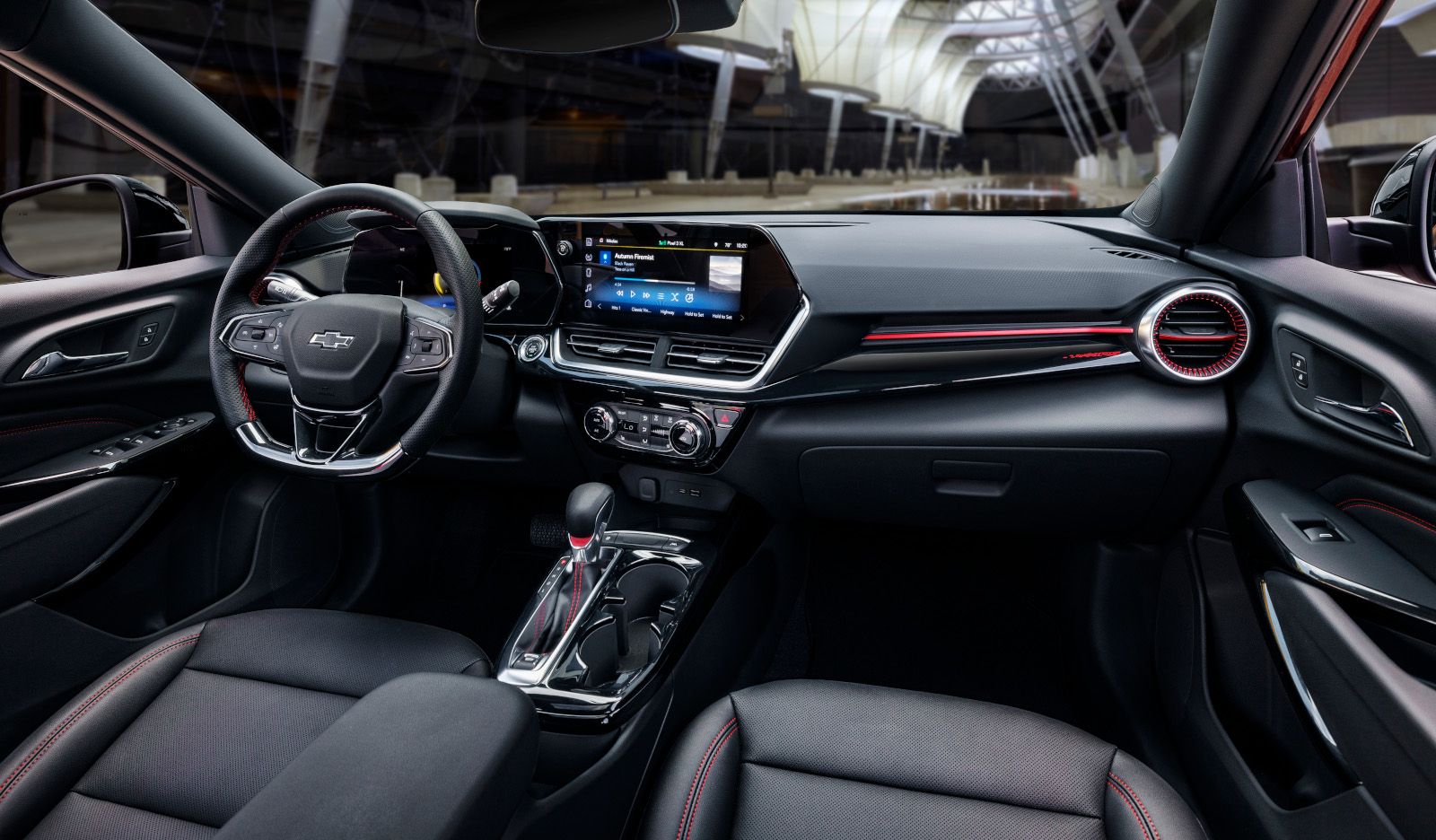
Inside, standard features like heated front seats, a heated steering wheel, wireless Apple CarPlay and Android Auto, and remote start round out the daily-commute picture. None of these change the fuel economy math, but they support the same use case: a practical, easy vehicle for the routine drives that make up most of a Quebec driver’s week.
Making Sense of the Trax’s Efficiency Before You Decide
The 2026 Trax’s 8.1 L/100 km combined rating reflects a small turbocharged engine, front-wheel drive, and a light SUV body working together for everyday driving. City stretches, highway runs, and winter conditions will each nudge that number up or down, but the combined figure remains a reasonable planning point for mixed weekly use.
Visit Mont-Royal Chevrolet in Montréal to see how the 2026 Trax’s efficiency lines up with your own commute, and to explore current trim availability in person.